

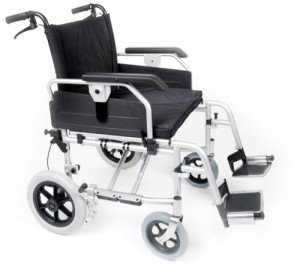
Bariatric Self Propelled Wheelchair
Designed for a higher weight capacity, this wheelchair features double-reinforced upholstery and a tough frame for optimum longevity. It has removable armrests, swing away footrests and adjusting leg rests to supply the user with customised convenience.
Self-propelled wheelchairs are more versatile than you may understand and can be used to preserve your self-reliance and return to the things you delight in. They can be easily manoeuvred and take up less space than power chairs.
What is a self-propelled wheelchair?
A self-propelled wheelchair is a chair that the user propels themselves rather than relying on another individual to press them along. Although some have handles enabling someone to press them, they are mainly developed for usage by their owner so they can browse obstacles and continue to take pleasure in the activities they like.
They have larger rear wheels and are fitted with hand rims, which permit the resident to push themselves. This indicates that a wheelchair user can travel cross countries without needing help from others.
The specialised style of these chairs likewise makes them a lot more comfy than transit wheelchairs. The big wheels reduce the impact of bumps and vibrations on the body when the wheelchair moves over unequal surfaces, improving total comfort. They are also a fantastic choice for individuals who need to invest extended periods of time being in the same position, as it avoids them from developing painful postures.
Lots of bariatric self-propelled wheelchairs have the ability to be folded, making them easy to transport and shop. This is necessary, specifically for users who have to travel in between home and their care provider's home. The chairs can also be used at sporting occasions and other social events, as they offer greater flexibility of motion than standard wheelchairs.
Self-propelled wheelchairs are suitable for a lot of people who still have good upper body strength and mobility, as they do not need substantial effort to operate. They are better suited for long-distance travel than transit wheelchairs, which can be hard to maneuver over rough surfaces.
Some manual wheelchairs have a low seat-to-floor height, which is perfect for those with hemiparesis. Hemiparesis is a condition that can impact one side of the body more than the other, triggering a person to have trouble moving their feet or to have a very minimal range of motion. These wheelchairs have a lower seat-to-floor height, and the resident can push them with their hands and feet to move.
Utilizing a wheelchair for an extended duration can be challenging, but the ideal chair can make all the distinction and help users maintain or restore their independence. With a high-quality, durable wheelchair, they can continue to take part in their favourite activities and develop up their strength and mobility with time.
Can I utilize a self-propelled wheelchair?
Many individuals with impairments who utilize wheelchairs discover that a self-propelled model provides them with an added level of self-reliance. For some, this is an essential tool in preserving their current level of mobility and physical fitness and for others it opens new possibilities that were previously impossible or just possible with the assistance of someone else.
There are a number of things to consider when selecting a self propelled bariatric wheelchair on your own or an enjoyed one. An excellent place to start is by determining what the main use of the chair will be. Some users may just require a wheelchair for periodic outings or medical professional visits, while for others a wheelchair is an integral part of their day-to-day life. As soon as this is comprehended, a manual wheelchair can be chosen that is ideal for the user's needs.
It's also essential to consider the physical restrictions of a wheelchair user when identifying what kind of wheelchair is most suitable for them. For instance, it's essential that the wheelchair's seat height is set to match a user's needs. This helps to guarantee that they remain in a comfy position which their legs are positioned appropriately for optimal performance.
A wheelchair that is too low can trigger discomfort and even deform the user's feet. Alternatively, a wheelchair that is too high can create issues for a user's upper body. This can result in blisters on the hands or fingers due to repeated friction with the hand rims along with discomfort and strain on the elbow and shoulder.
Another thing to think about when choosing a self-propelled wheelchair is whether or not it will appropriate for the user's environment. This includes the width of internal doors and heights of energy and work surface areas. It is also worth bearing in mind that the larger rear wheels of a self-propelled wheelchair can use up more area when compared to transit designs. This can make it more tough to steer a wheelchair in tight areas or when keeping it.
Lastly, it's important to examine whether or not a bariatric wheelchair will be covered by medical insurance coverage. Some providers, such as Medicare in the United States, will cover a bariatric wheelchair if it is prescribed by a healthcare professional to support particular medical requirements.
Are self-propelled wheelchairs ideal for me?
Self propelled wheelchairs are a great choice for those who wish to keep their self-reliance and have the ability to press themselves. Unlike transit wheelchairs which are pressed by an attendant, these chairs allow you to take control of your mobility and guide with using large rear wheels fitted with hand rims. The more you apply pressure on the rims, the further the wheelchair will move.
Nevertheless, there are a couple of things to think about before investing in a self propelled wheelchair. First of all, you will require to ensure that you have the strength and capability to press yourself. You must likewise consider how much you will be utilizing the wheelchair and if there are any barriers that you might encounter.
It is also essential to think of the environment that you will be using the chair in. For bariatric manual wheelchair , if you are going to be utilizing your wheelchair for activities that happen within the home, it may be best to opt for a more compact model. This is because these models can be folded, that makes them a lot more convenient when it concerns keeping and carrying them.
Another thing to think about is whether you will have the ability to reach the hand rims of the chair easily. If you have a special needs such as arthritis, or have actually suffered a stroke that has affected one side of your body, it might be challenging to press yourself around with the front tires of your wheelchair. This is why there are specialised manual wheelchairs with a one arm drive that can be utilized by people who can not reach the centre of their wheel with both arms.
Having said all of this, there are lots of terrific alternatives for self propelled wheelchairs available on the market. It is simply a case of doing some research study to find out what the very best wheelchair for you is. A few of the best choices consist of lightweight aluminium frames that are exceptionally durable and can be folded down to a size that is suitable for transport and storage in car boots. Many of these models can even be fitted with a pressure cushion to assist you handle your seating needs and prevent the danger of pressure sores.
Are self-propelled wheelchairs easy to use?
Self-propelled wheelchairs are created to be predominately controlled and propelled by the user themselves. This implies that they can offer a greater level of self-reliance than transit wheelchairs which are usually pressed by an attendant. They have large rear wheels that make it simpler for users to push themselves compared to smaller wheelbases used in transit chairs.
They also come with pushing handles to allow for additional assistance if needed. This can be useful for individuals who have actually limited upper body strength or might suffer from pain and feeling numb in their hands. It can also work for individuals who wish to utilize the chair on irregular surfaces such as gravel or grass.
When it concerns manoeuvring, self-propelled chairs can be steered by merely pushing on the outer 'push rims' which lie on the back of the chair. However, it's crucial to keep in mind that this does require a certain quantity of upper body strength and can be tiring to do over longer ranges.
If you aren't able to reach the hand rims easily then it's worth thinking about alternative wheels for your wheelchair. Picking wheels with coatings or wider tubing can enhance the comfort and grip for your hands particularly if they are damp or cold. Similarly, it's worth considering the placement of your rear wheels if you plan to do wheelies as this can trigger tipping and stability issues if your seat isn't put correctly.
Using a self-propelled wheelchair can also be helpful for the health of your body as it will assist to keep you fitter than if you were to rely on somebody else for assistance with walking around. This is very important because dependence on wheelchairs can cause increased levels of fatigability and decreased cardiovascular health. For this reason, a self-propelled chair can be an exceptional way of preserving your independence or restoring it after you have actually experienced injury or disease. In addition, it can be a more budget-friendly option for lots of people as a lot of long-lasting care settings will only have manual wheelchairs available to their customers which tends to be of a lower quality than a self-propelled wheelchair.